
Sourcing / K9 China
Sourcing in China, with the details in focus.
From your first product idea to questions about samples, quality and shipping, a clear process helps everyone work from the same understanding.
The bigger picture
How China sourcing works
Finding a product is only one part of the work. The challenge is making sure the product you discuss, the sample you review and the goods you receive all relate to the same expectations.
A sourcing partner can help bring the moving parts together: explaining the brief, communicating with potential suppliers, coordinating feedback, defining quality checks and thinking ahead to shipment. What happens in practice depends on the needs of each project.

Before the search
A better brief makes better questions possible.
A useful brief is not necessarily long. It captures the details that affect what can be made, how it should be evaluated and how it will reach you. If something is undecided, say so — that gives the conversation a place to begin.
Build your briefWhat to include
Six details worth thinking through.
You can begin with estimates and update the details as your project takes shape.
The product
What is it? What will it be used for? Include a reference photo, drawing or comparable item if you have one.
Quantity
An estimated volume or range is useful, even if the final order size has not been decided.
Specifications
Materials, measurements, tolerances, colors, finish, components or any other non-negotiable details.
Customization
Explain changes to an existing item, branding needs, packaging or features that make this request unique.
Timing
Share your ideal schedule and any dates you must work around. Timing is a planning input, not a promised delivery date.
Destination
The country and destination context help frame packaging and shipment requirements.
From enquiry to handover
Our sourcing process, step by step.
The exact scope is agreed for each project. These are the conversations that commonly shape the work.
Build the brief
Tell us what you need, what it should do, how many you expect to need and where it is going. Drawings and reference images help, but a finished specification is not required to start.
A shared understanding of the requirement
Clarify the details
Identify material, dimensions, finish, customization, packaging and timing. Questions are surfaced before they turn into mismatched expectations.
Clearer points to discuss and confirm
Discuss sourcing options
We can communicate the brief with potential suppliers, ask about feasibility and bring the relevant responses back for your review. No supplier identities or sourcing contacts are published on this site.
A more informed sourcing conversation
Review samples
Where samples make sense, compare the physical result with the brief. Record feedback about material, fit, appearance and any changes needed before moving ahead.
A practical record of sample feedback
Plan quality checks
Agree on what needs checking and when. Inspection scope can reflect the product, production stage and your own acceptance criteria rather than a generic checklist.
Product-specific check points
Prepare the shipment
Consider carton protection, labeling, destination and whether multiple items need to be consolidated. Shipping details are discussed in the context of your project.
Fewer unanswered handover questions
Communication
Make sure the same product is being discussed on both sides.
A request can change meaning when dimensions, materials or finishes are left open to interpretation. We can help turn your requirements into specific questions, discuss feasibility with potential suppliers and capture points that need your decision.
- Clarify technical and commercial requirements
- Track questions, changes and open decisions
- Keep your priorities visible during discussion

Samples & feedback
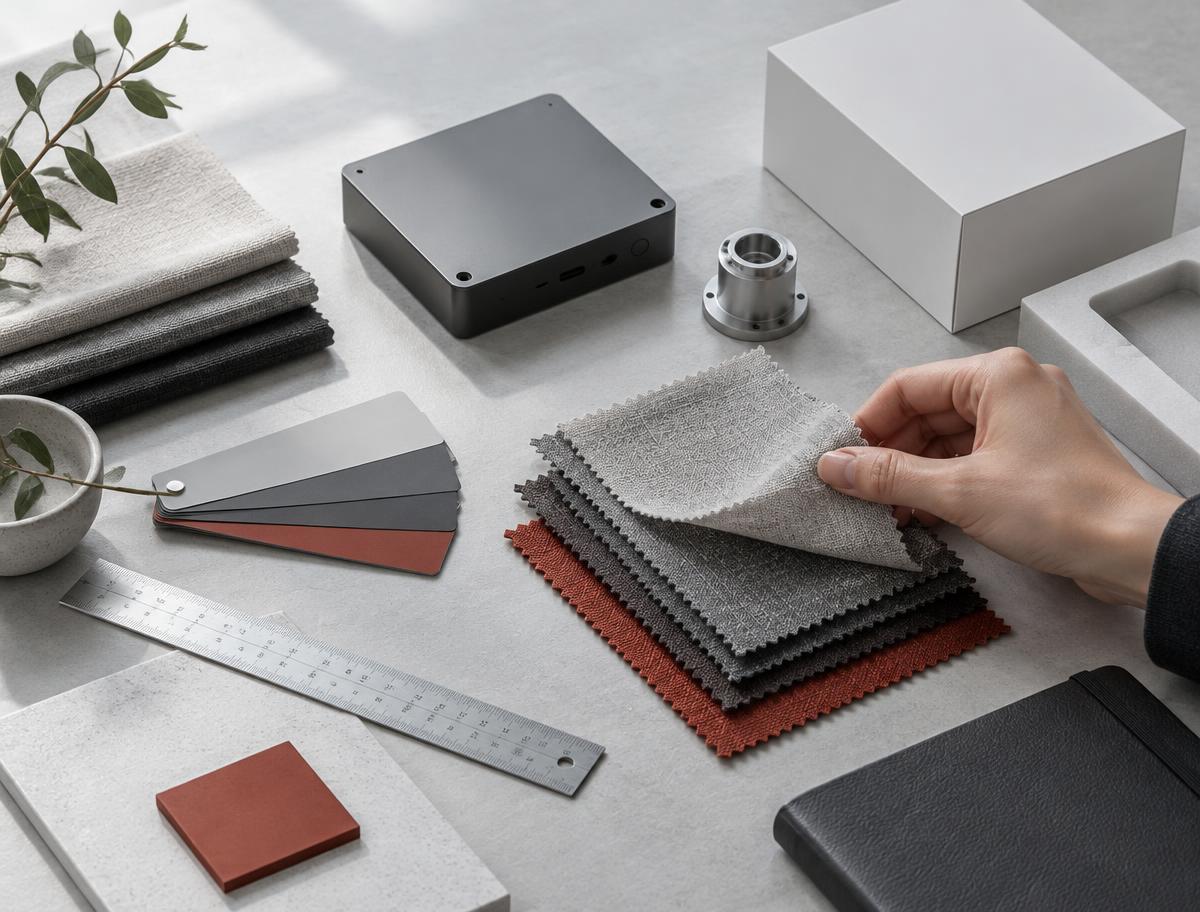
A sample is a question you can hold.
Material feel, color, fit and finish are easier to judge in person than in a photo. A useful sample review records what meets the brief, what does not and what needs another round of clarification. It is a checkpoint, not a guarantee about a later production run.
More about sample coordinationQuality checkpoints
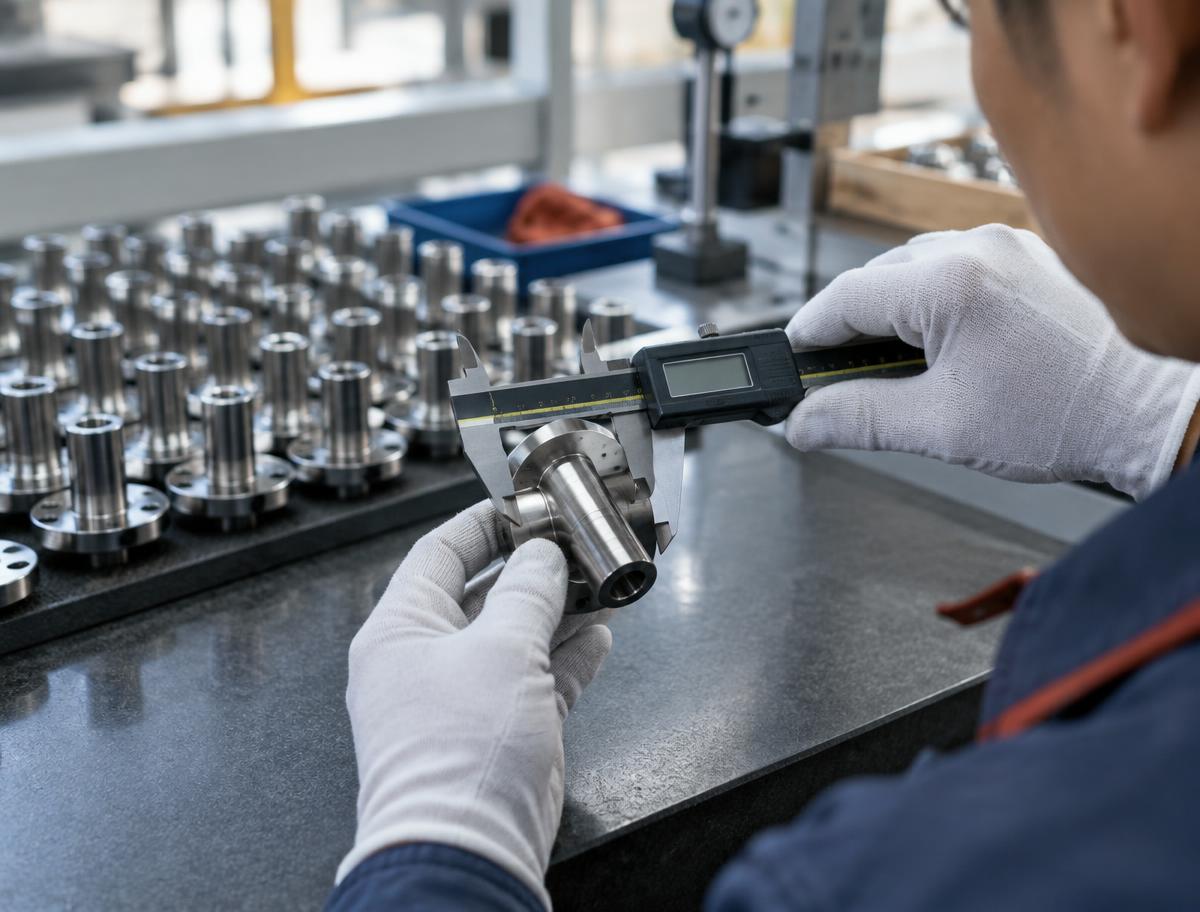
Inspect against criteria, not assumptions.
An inspection is only useful when the check points are clear. Depending on the item and project scope, that might include measurements, function, appearance, labeling or packaging. Agreeing on these points early helps make findings actionable.

The journey onward
Plan the handover before the cartons are closed.
A well-made product still needs the right packaging and a clear destination plan. Destination country, carton protection, labels and whether separate items need to travel together are worth discussing before shipment arrangements are made.
More about logistics planningAnswers to common questions
Sourcing FAQ
Every project is different. These answers cover the most common starting points.
Do I need a complete specification to get started?
No. Start with what you know. Reference photos, drawings and intended use can help reveal the questions that still need answering.
Can K9 China communicate with suppliers for me?
Supplier communication can be part of a sourcing project. The goal is to clarify requirements, ask practical questions and relay relevant information for your decisions. The exact support depends on the project.
Can you help with samples and product inspections?
Sample coordination and product-specific quality checks can be discussed as part of the project scope. The right approach depends on the item, its specifications and the stage of production.
Can I enquire about several different items?
Yes. The enquiry form lets you add as many item lines as you need, with a quantity and notes for each one.
Do you list suppliers or disclose their contact details here?
No. This public site focuses on the sourcing process and your product requirements, not supplier information.
Are the products pictured on the site available to order?
The images and examples are illustrative. They do not confirm stock, availability, price or any particular production arrangement.
Will submitting the enquiry contact K9 China now?
Yes. Once you review and send the enquiry, it reaches the K9 China team and you receive a reference number.
The next step
Tell us what you are trying to make.
Put your items and requirements together, review them, and send your enquiry.